This week, we lost one of the most influential psychologists of our time - Marsha Linehan.
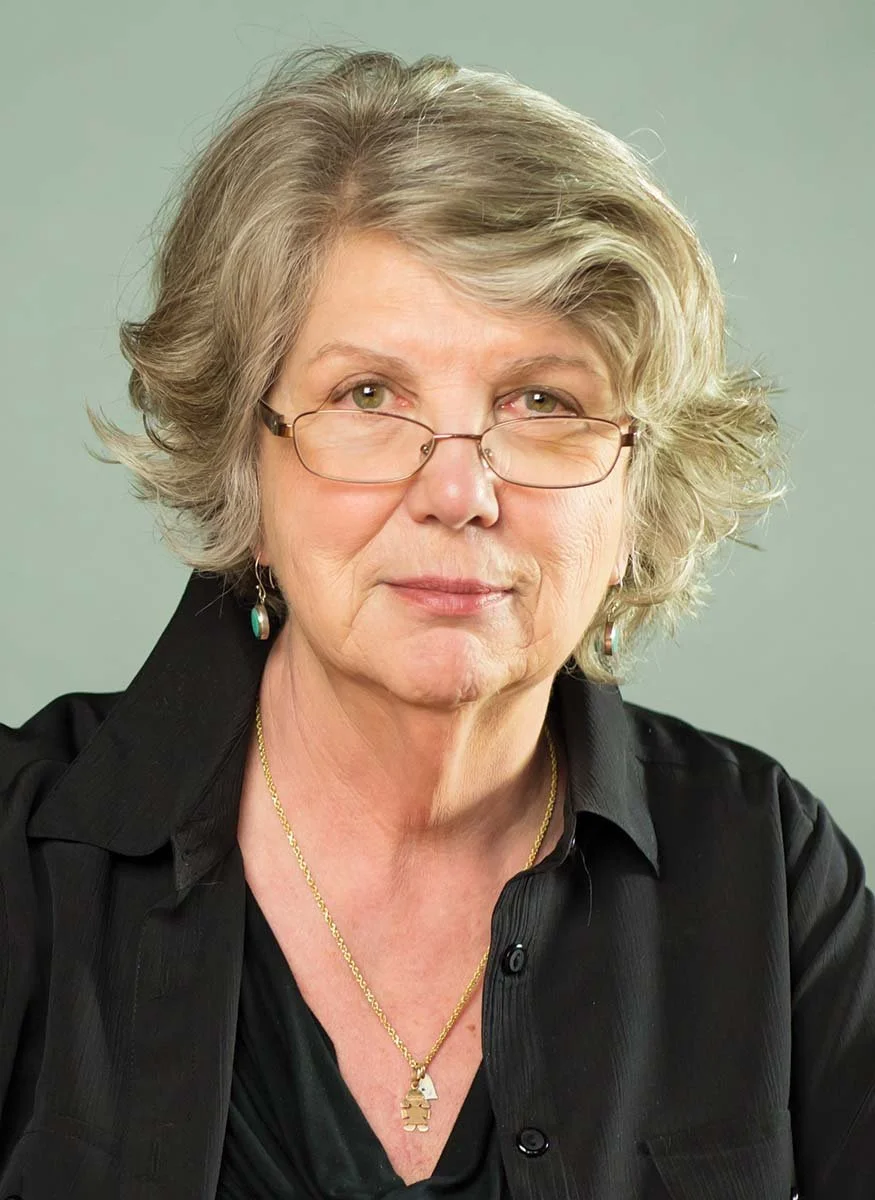
Her story is extraordinary, not simply because of what she went on to achieve by developing Dialectical Behavioural Therapy (DBT) that would transform the way people with borderline personality disorder, chronic suicidality and difficulties with self-harm and emotional dysregulation were treated, but because of where she started.
Marsha Linehan was once a 17-year-old girl admitted to a psychiatric institution, where she spent years hospitalised and experienced prolonged periods of seclusion whilst struggling with suicidality and self-harm. Her psychiatric discharge summary in 1963 said that “During 26 months of hospitalisation, Miss Linehan was, for a considerable part of this time, one of the most disturbed patients in this hospital.”
But that wasn’t where her story ended. In her memoir, Building a Life Worth Living, Marsha described the promise she made to herself towards the end of her time at the institution: “I survived. And toward the end of my time at the institute, I made a promise to God, a vow, that I would get myself out of hell – and that once I did, I would find a way to get others out of hell, too. DBT was, and is, my best effort to date at keeping that vow.”
She also described that vow as controlling most of her life, because she “was determined to find a therapy that would help these people, people who were so often deemed beyond saving. And I did. I have felt the pain that my clients feel as they wrestle the emotional demons that tear at their souls. I understand what it is like to feel terrible emotional pain, desperately wanting to escape by whatever means.”
She said “I was in hell. And I made a vow: when I get out, I’m going to come back and get others out of here. If I can do it, you can do it.” And she kept her promise.
Marsha developed Dialectical Behavioural Therapy (DBT), a treatment that fundamentally transformed the way people living with chronic suicidality and self-harm were treated. She understood that these people weren’t beyond saving. They needed compassion, understanding and practical tools to help them survive that suffering.
DBT offered exactly that. It gave people skills to help them navigate a world that felt unbearably overwhelming at times:
Mindfulness: learning to notice and become aware of thoughts, feelings and experiences without immediately reacting to them.
Distress tolerance: developing ways to survive moments of intense distress and emotional pain without making things worse
Emotional regulation: skills to understand emotions, recognising what influences them and learning how to respond to them more effectively
Interpersonal effectiveness: learning to navigate relationships, communicate needs, set boundaries and maintain self-respect.
But perhaps one of the most important things she contributed to psychological treatment was the idea at the heart of DBT: the idea that acceptance and change can co-exist. That we can accept ourselves as we are, whilst also working towards change. That we can validate someone’s suffering without accepting that things have to stay the same. That two seemingly opposing things can be true at the same time. This is the dialectic at the heart of DBT and it is so profoundly important when working with people who have spent much of their lives feeling misunderstood, invalidated or as though there is something fundamentally wrong with them.
At its heart, DBT is about helping people build lives worth living. Not simply keeping them alive but helping them reach a point where life becomes something they want to live.
And I know this isn’t just a nice idea, because I had DBT myself when I was 18 and it changed my life for the better.
It was the first time I was given practical tools to understand and cope with my distress and emotions. It was the first time I began to understand what was happening inside of me rather than just feeling overwhelmed by emotion. It was the first time I was given something I could actually do when everything felt unbearable. And most importantly, it gave me hope that there was a way out of Hell. That I wasn’t beyond help. That my feelings weren’t something I simply had to endure. That there were ways to learn, to cope, to change and to build a life that felt worth living.
Marsha Linehan took her darkest experiences in her own life and used it to create something that has helped millions of people. She understood the pain because she had lived it. And she dedicated her life to making sure that other people didn’t have to navigate it alone.
She once made a promise that when she found her way out of Hell, she would come back for others and help them out. And she did.
Her legacy lives on in the therapists who use DBT, the people who teach its skills and the people who use those skills every day to get through difficult moments. There are people alive today who wouldn’t be without DBT, because someone offered them a different way of coping. I am one of those people.
Thank you Marsha for keeping your promise. For giving people hope when they had very little. For showing us that acceptance and change can co-exist, that patients are never beyond help and that even in the depths of suffering, a different future is possible.
Rest in peace, Marsha Linehan. Thank you for helping so many of us find a way out of Hell.

GIRL UNMASKED (The Sunday Times Bestseller) is available to order from Amazon and all major bookstores as a hardback, paperback, audiobook and ebook.
linktr.ee/itsemilykaty
If you would like to support my blog on a one-off or monthly basis, you can here: https://buymeacoffee.com/itsemilykaty